Edward S. Curtis
1868 – 1952
The photographer behind The North American Indian, an ambitious and contested early-20th-century record of Native nations
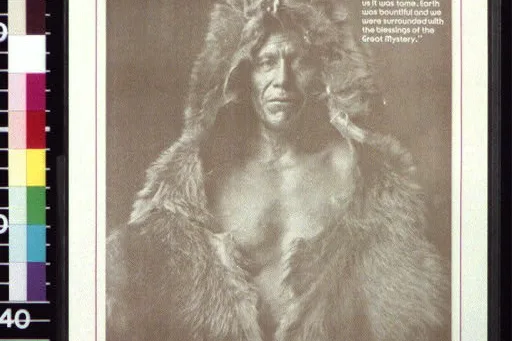
About Edward S. Curtis
Read full biography →
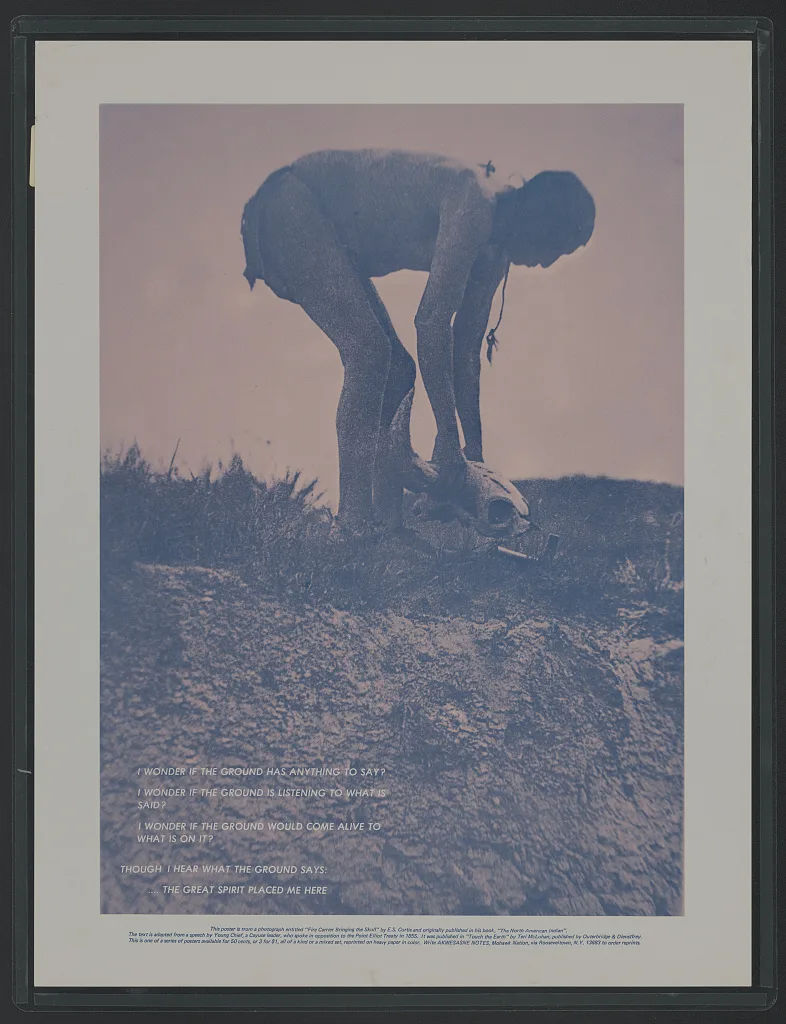
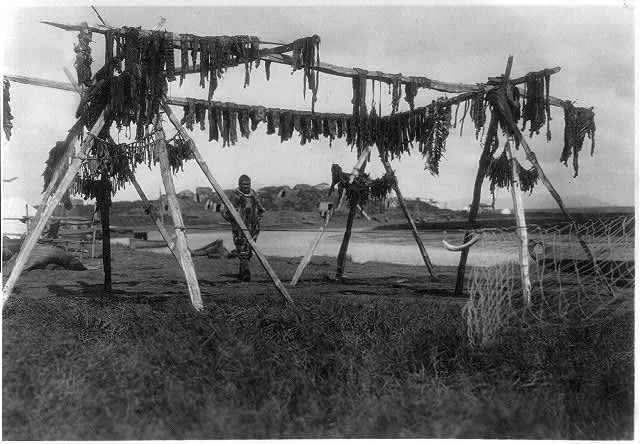
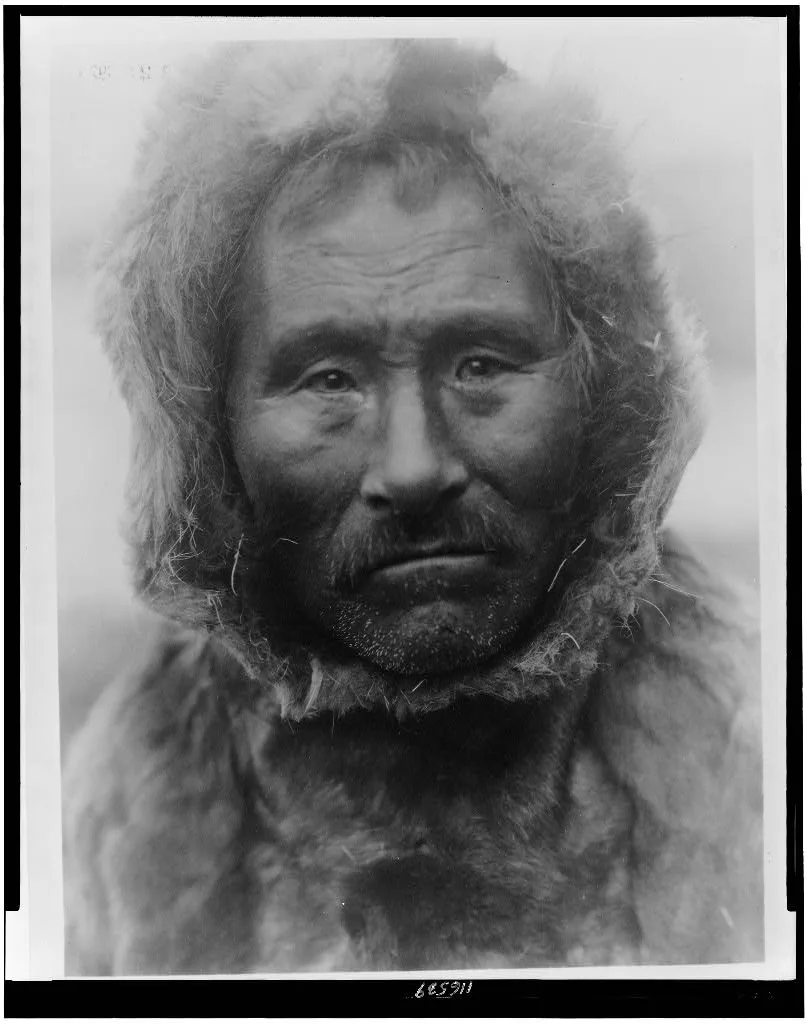
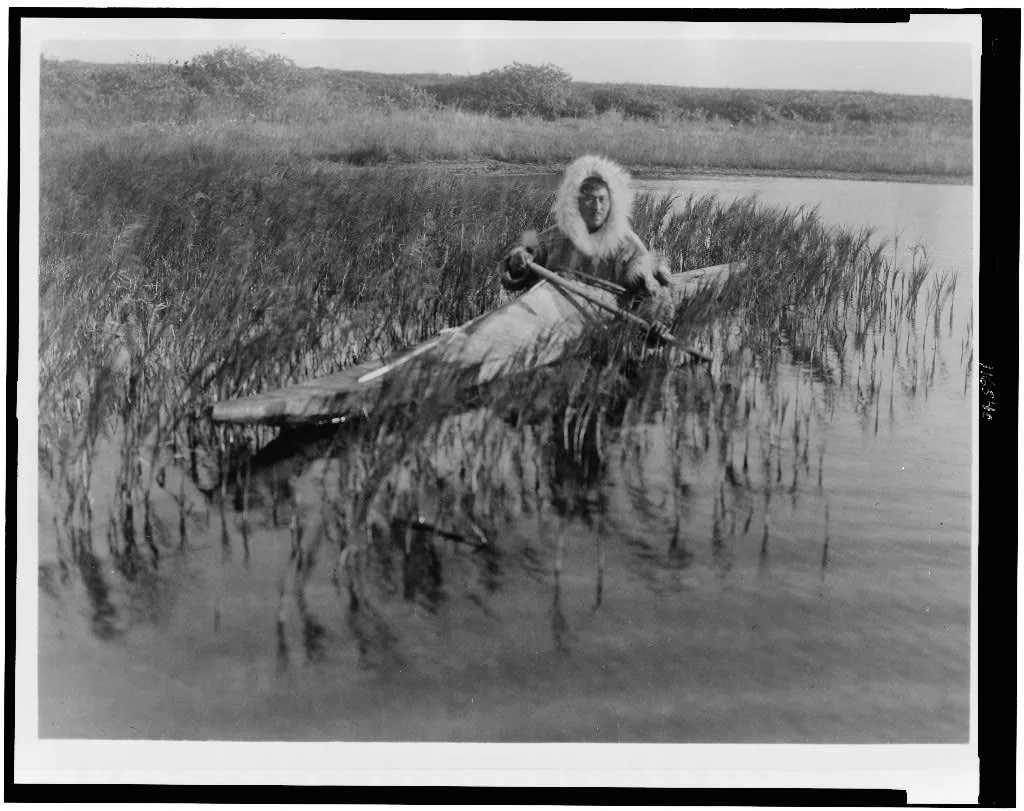
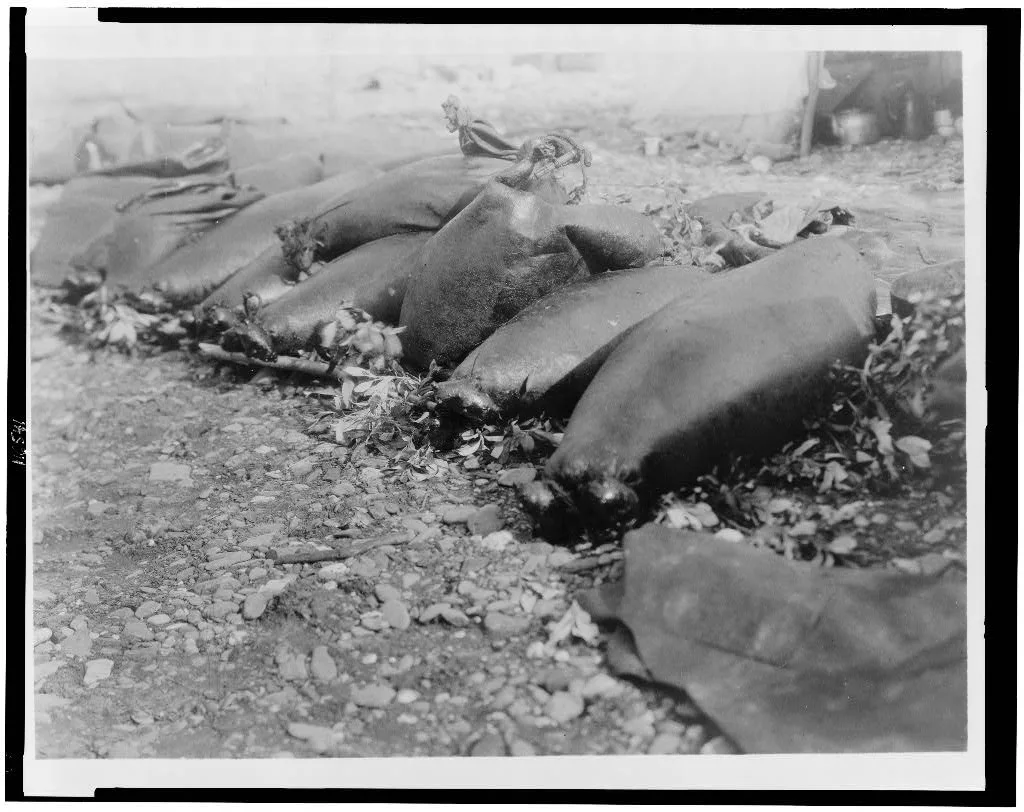
Notable Works
The Vanishing Race - Navajo
Often called Curtis's signature image, this 1904 photograph shows a line of Navajo (Dine) riders moving away from the camera into shadow. Curtis intended it as a visual metaphor for his project's…
Browse the collection →Canon de Chelly - Navajo
A celebrated 1904 landscape showing a small group of Navajo (Dine) riders dwarfed by the towering sandstone walls of Canyon de Chelly in present-day Arizona, a place of deep significance to the…
Browse the collection →Chief Joseph - Nez Perce
A portrait of Chief Joseph (Hinmatoowyalahtqit) of the Nez Perce (Niimiipuu), the leader renowned for the Nez Perce people's 1877 resistance and forced removal. Curtis photographed him around 1903,…
Browse the collection →Timeline
Born near Whitewater, Wisconsin
Moves with his family to the Seattle area in Washington Territory
Buys into a Seattle photography studio, later partnering with Thomas Guptill
Makes early portraits of Native subjects in Seattle, including Kikisoblu (Princess Angeline)
Begins fieldwork among the Piikani (Blackfeet), encouraged by ethnologist George Bird Grinnell
"The information that is to be gathered ... respecting the mode of life of one of the great races of mankind, must be collected at once or the opportunity will be lost."
— Edward S. Curtis